Free site assessments limited each month | Dont delay, contact us today | Certified SANS & ISO systems

Lifeline Systems for Long Spans, Vertical Access and Continuous Work at Height

Horizontal and vertical lifelines designed for environments where workers must stay connected while moving.

Engineered to meet SANS requirements for roofs, loading bays, ladders, and industrial access routes.


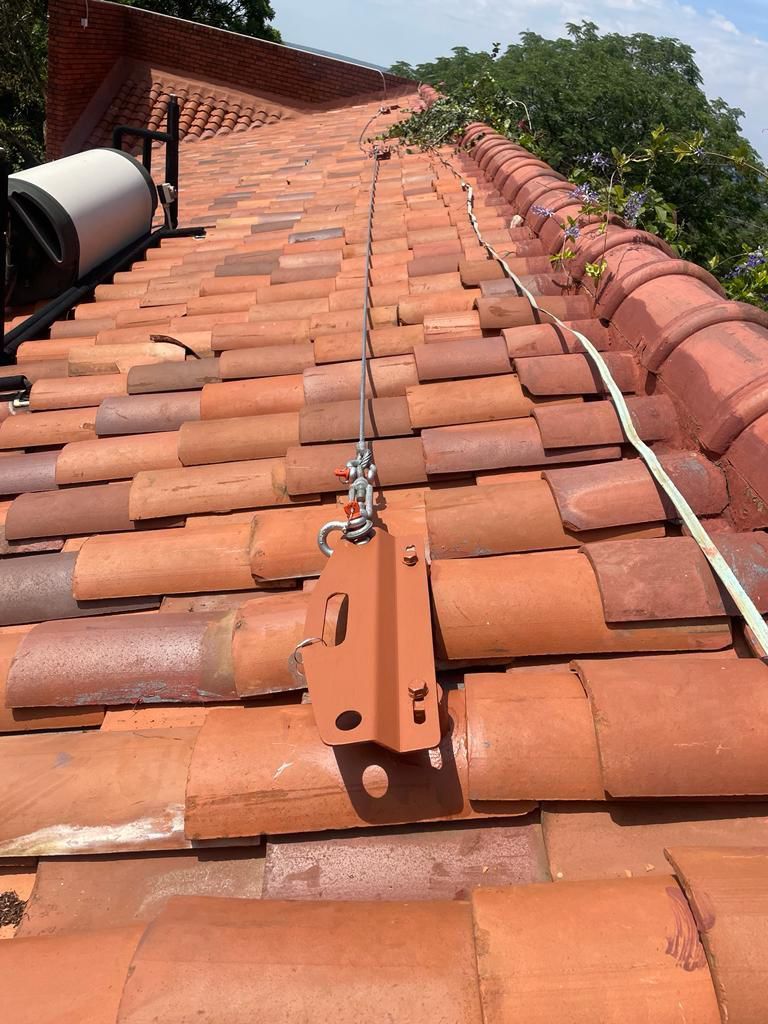
About Our Roof Anchors

At EMFab, safety is engineered into every roof anchor we supply.


Our anchors are designed to meet SANS standards for fall protection, ensuring reliable connection points for fall arrest and restraint systems.


We serve construction, roofing, solar, and industrial clients across South Africa, delivering solutions for flat, pitched, and composite roofs.


Our goal is simple: protect your team, ensure compliance, and reduce downtime with turnkey solutions from design to certification.


When Are Lifelines the Right Safety Solution?

Lifelines are used when fixed anchor points alone are not practical. If workers need to move along roof edges, access ladders, or travel extended distances at height, a lifeline system provides continuous fall protection without repeated clipping and unclipping. Typical applications include:


  • Long-span commercial and industrial roofs


  • Warehouses and loading bays


  • Solar installations requiring full roof access


  • Fixed ladders and vertical access routes


  • Maintenance zones with regular foot traffic

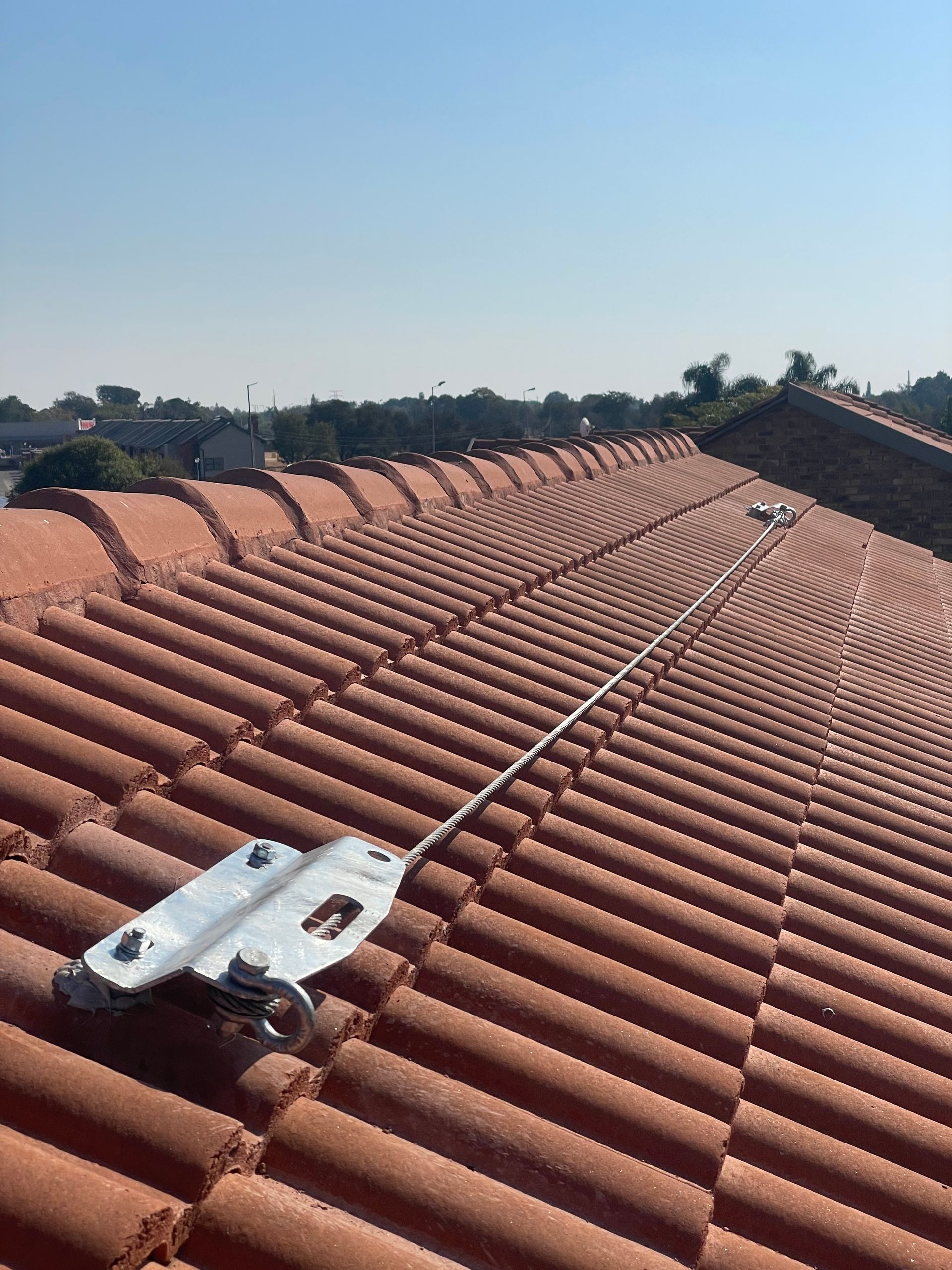
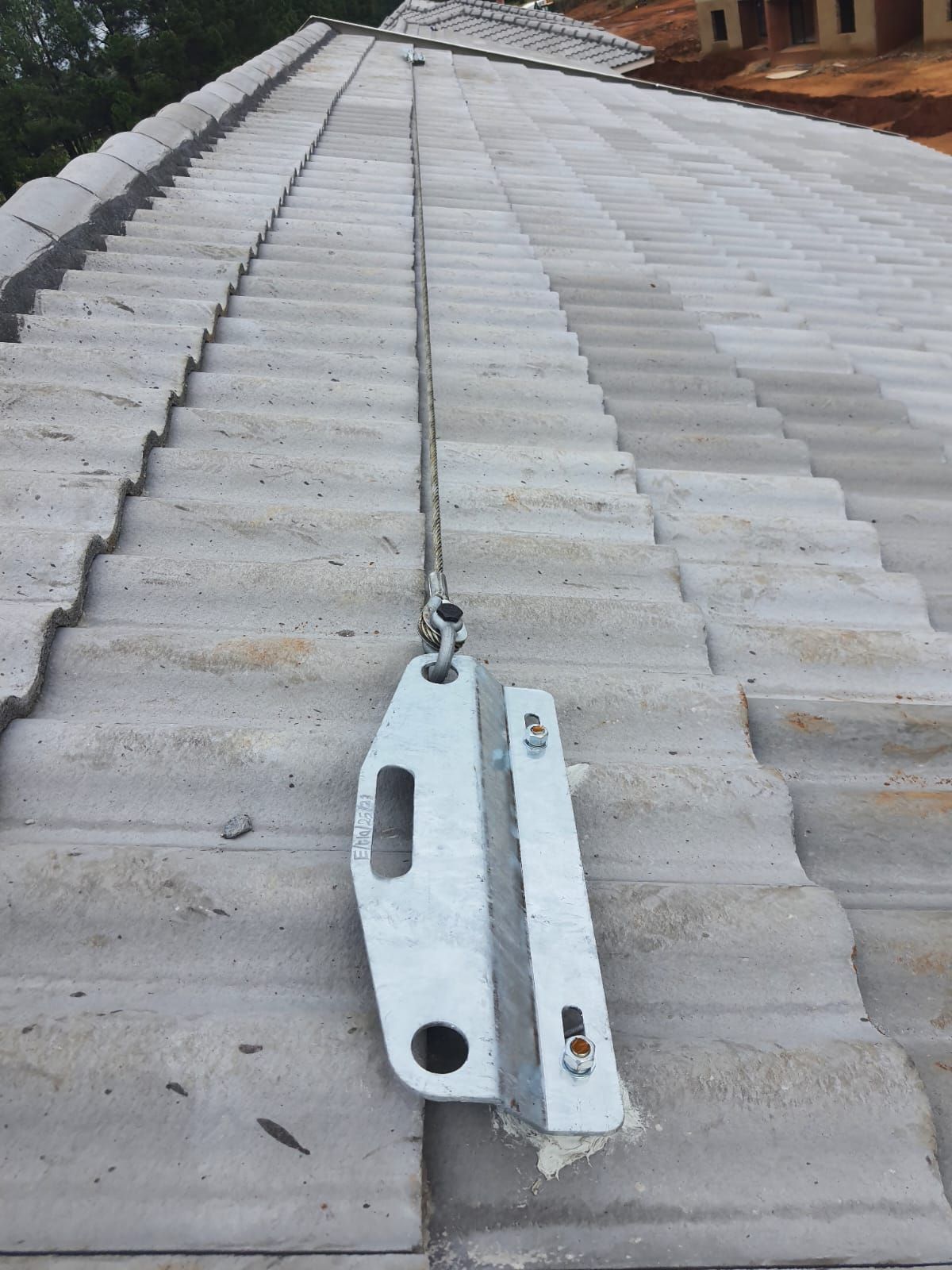
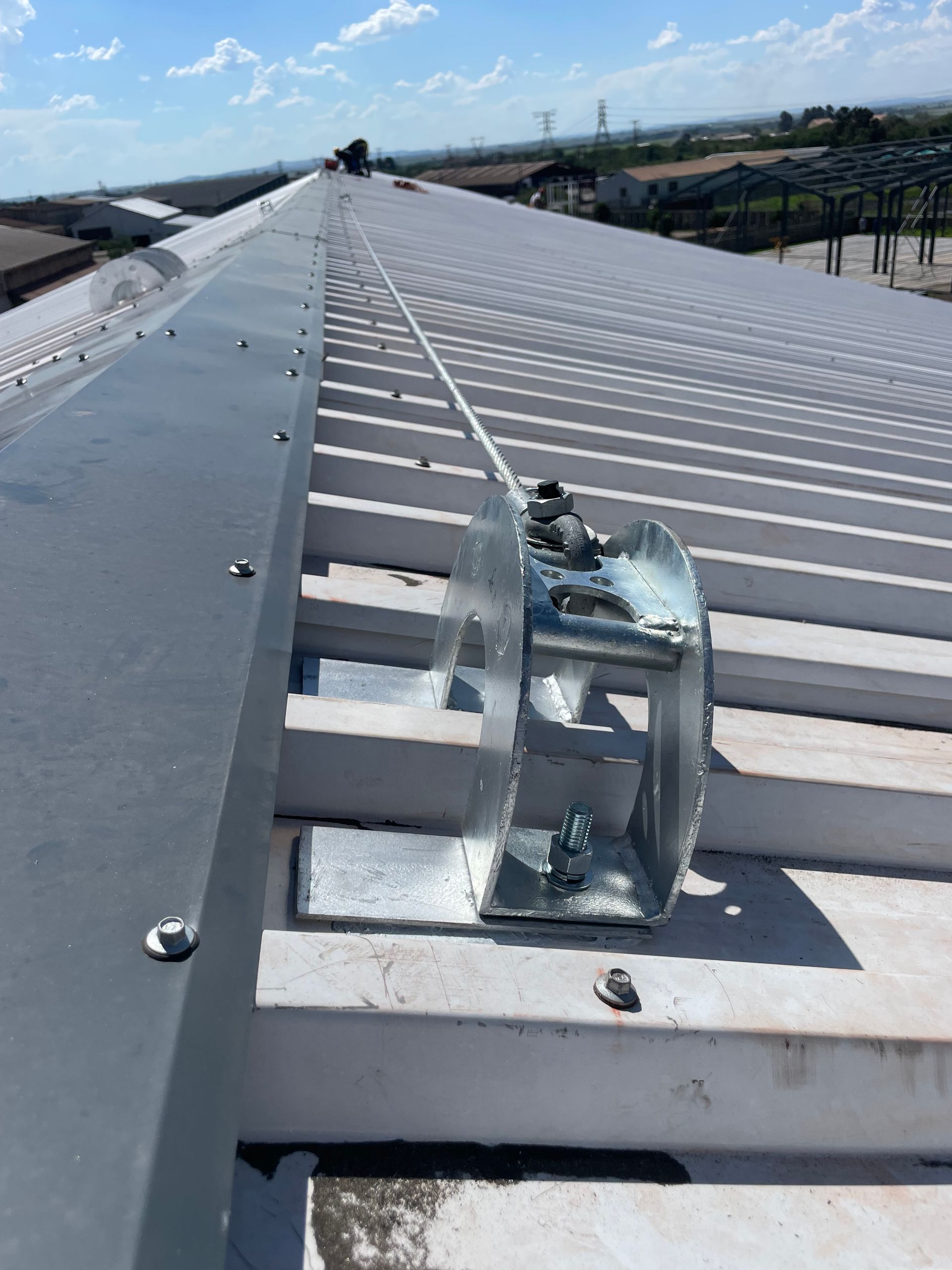
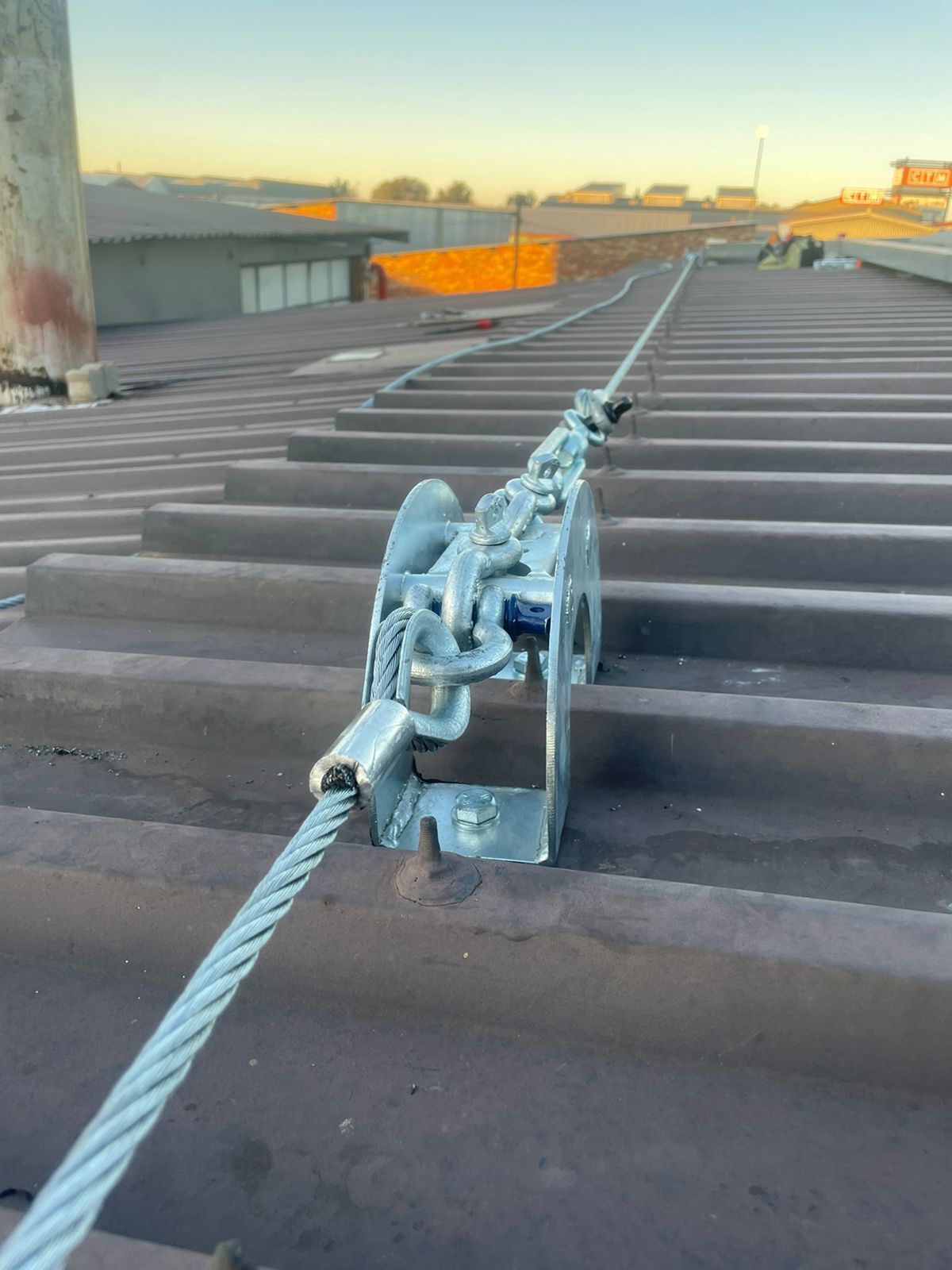
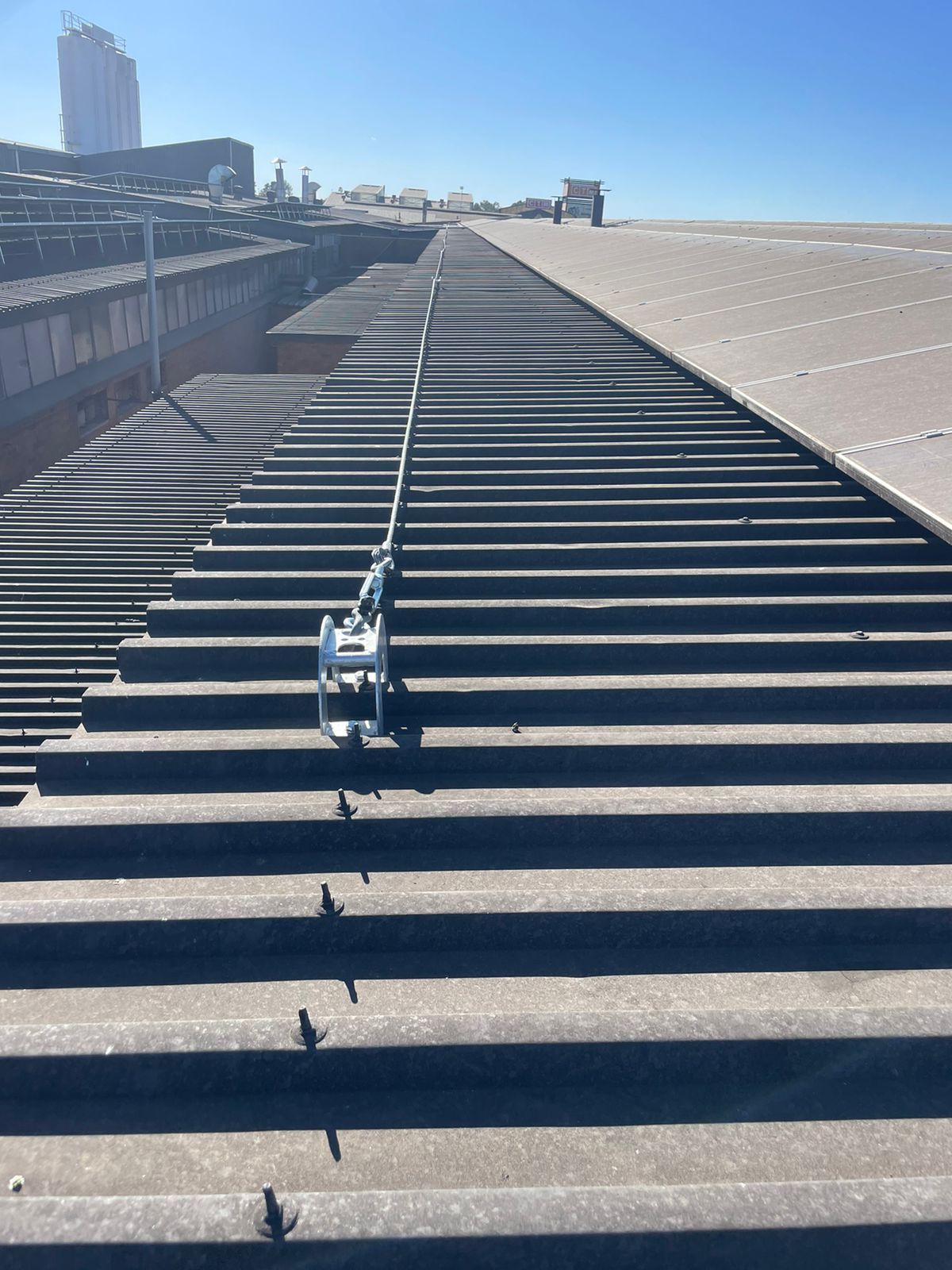
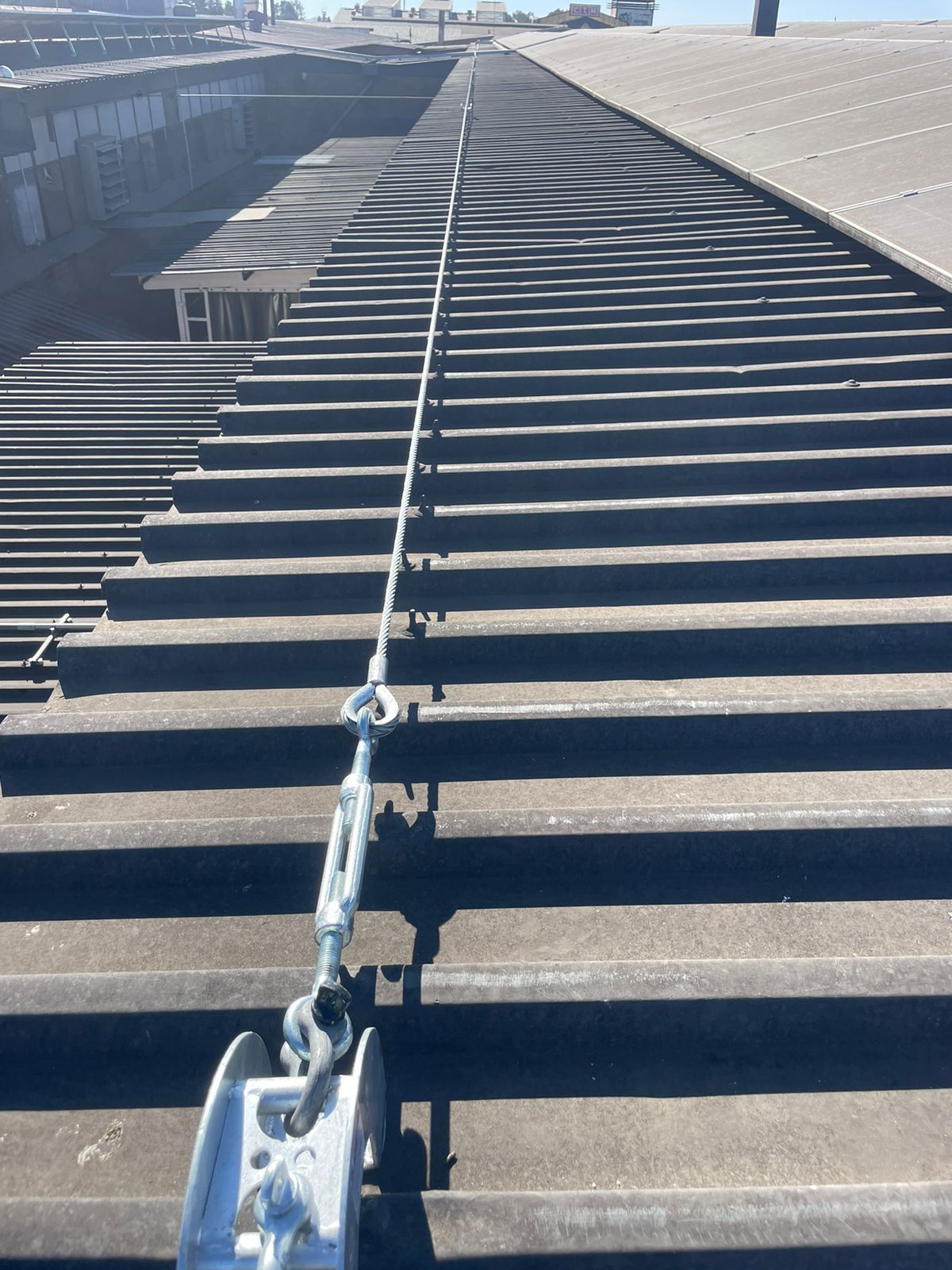
Horizontal Lifelines

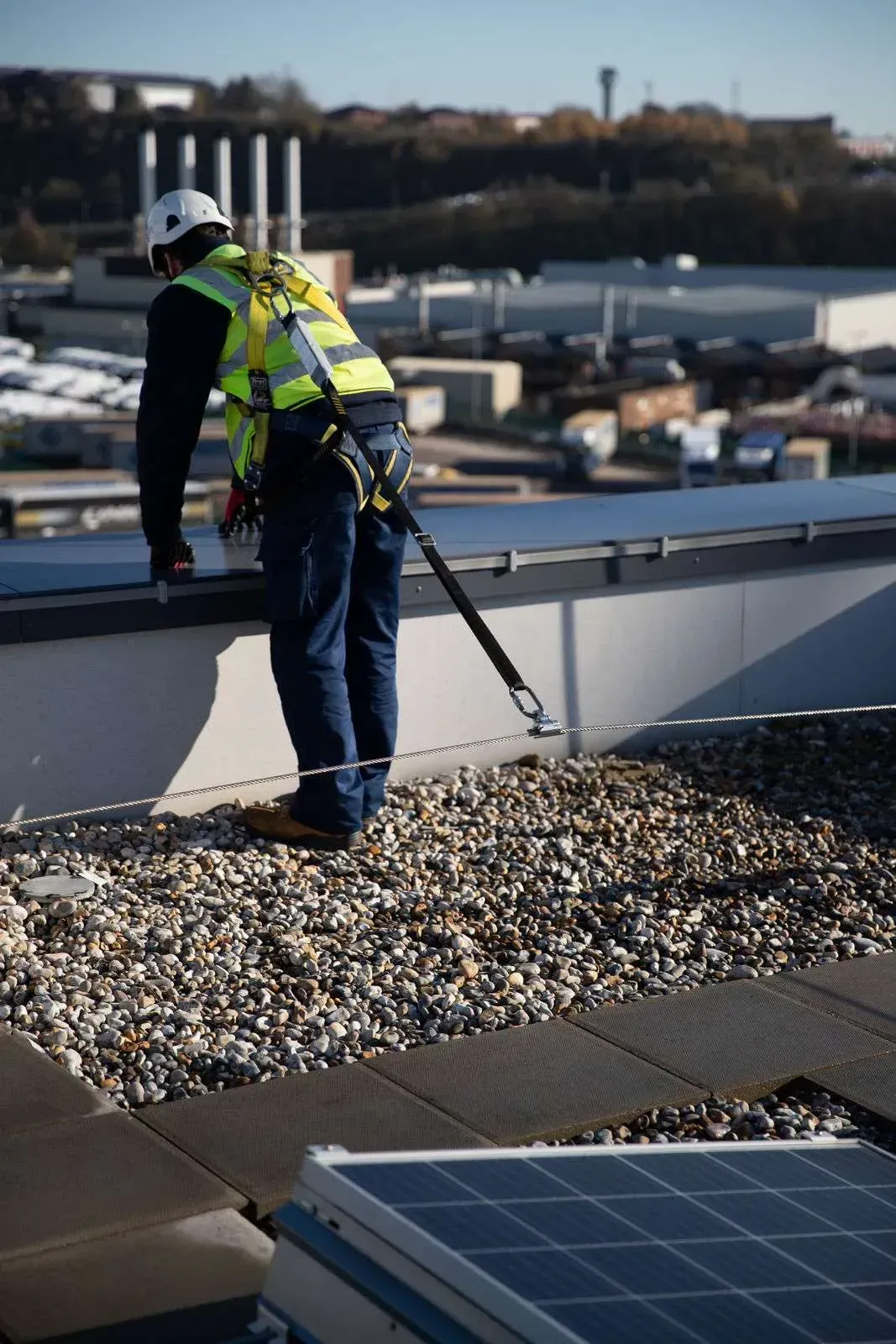
Horizontal lifelines allow workers to move laterally while remaining connected at all times.


Designed for:


  • Roof perimeters
  • Large flat or low-slope roofs
  • Maintenance walk routes
  • Solar panel arrays


Key characteristics:


  • Engineered cable layouts based on span length and structure
  • Controlled deflection to reduce fall forces
  • End and intermediate anchors designed for lifeline loading
  • Smooth travel of the shuttle or lanyard connection


Each system is designed for the specific roof geometry and anticipated user movement.

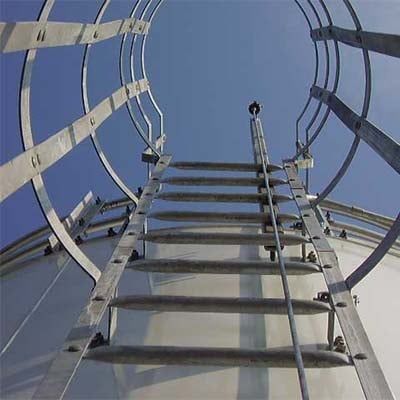
Vertical Lifelines

Vertical lifelines are used on ladders and vertical access points where a fall would be vertical rather than horizontal.


Typical installations include:


  • Fixed access ladders
  • Stairwells
  • Towers and plant access structures


System features:


  • Guided fall arrest systems
  • Continuous connection during ascent and descent
  • Compatibility with approved harnesses and PPE


Vertical lifelines reduce reliance on ladder cages while improving fall protection control.


Engineering, Installation and Certification

Lifeline systems are not off-the-shelf products. Performance depends on correct design, anchor positioning, and tensioning.


EMFab lifeline installations include:


  • Structural assessment of fixing points
  • Span and load calculations
  • Correct anchor spacing and integration
  • On-site tensioning and commissioning
  • Load testing and certification aligned with SANS requirements


All systems are issued with documentation suitable for inspections and audits.


Icon of lightbulb with question mark, magnifying glass, and warning sign.

Common Lifeline Problems We Correct

Many sites already have lifelines installed, but incorrectly.

We’re often called in to address:


  • Over-tensioned or under-tensioned cables
  • Incorrect anchor spacing
  • Inadequate intermediate supports
  • Missing test certificates
  • Systems installed without structural verification


Correcting these issues significantly improves safety and compliance.

Square grate with oval openings.

Materials and System Types

Lifelines are manufactured using:


  • Stainless steel for corrosive or coastal environments
  • Hot-dip galvanised steel for industrial and inland sites


System selection depends on:


  • Environmental exposure
  • Roof structure
  • Frequency of use
  • Number of users


Temporary and permanent lifeline options are available depending on project duration.


Ongoing Inspection and Recertification

Lifelines require regular inspection to remain compliant.


EMFab provides:


  • Annual inspections
  • Post-weather or impact inspections
  • Tension checks and adjustments
  • Updated inspection records and certificates


Inspection schedules can be managed as part of a maintenance plan.

Lifelines as Part of a Larger Safety Strategy

Lifeline systems are often combined with:


  • Roof anchor points
  • Fixed access ladders
  • Guardrails and walkways
  • PPE and training programmes


This ensures continuous protection from access to work area and back again.

Person in safety harness on a rooftop, looking out. Wearing a hard hat and high-visibility vest. Blue sky.

Other Core Products & Solutions

Green abstract symbol: circle above a vertical line with rectangular blocks on either side and a horizontal line below.

Roof Anchor Systems

Swimming pool ladder, green gradient, metal construction.

Fixed Access Ladders & Platforms

L-shaped wooden deck with railing, supported by posts, in a yellow-green gradient.

Guardrails, Walkways & Inverter Cages

Inspection, Testing & Maintenance


People Sometimes ask...

  • Are lifelines mandatory under SANS?

    Lifelines are required where continuous movement at height is necessary and fixed anchors alone are insufficient.

  • Can multiple users connect to one lifeline?

    Yes, depending on system design, spacing, and anchor capacity.

  • Are lifelines suitable for retrofitting?

    Yes. Many systems are installed on existing buildings following structural assessment.

  • How long does installation take?

    Most lifeline installations are completed within one to three days, depending on complexity.

If your team needs to move safely along roofs, ladders, or access routes at height, a correctly designed lifeline system is essential.

Book a site assessment to determine whether horizontal or vertical lifelines are required, and ensure your system is compliant, certified, and fit for purpose.

Free site assessments limited each month | Dont delay, contact us today | Certified SANS & ISO systems