Free site assessments limited each month | Dont delay, contact us today | Certified SANS & ISO systems
Certified Roof Anchors
for Fall Arrest and Restraint
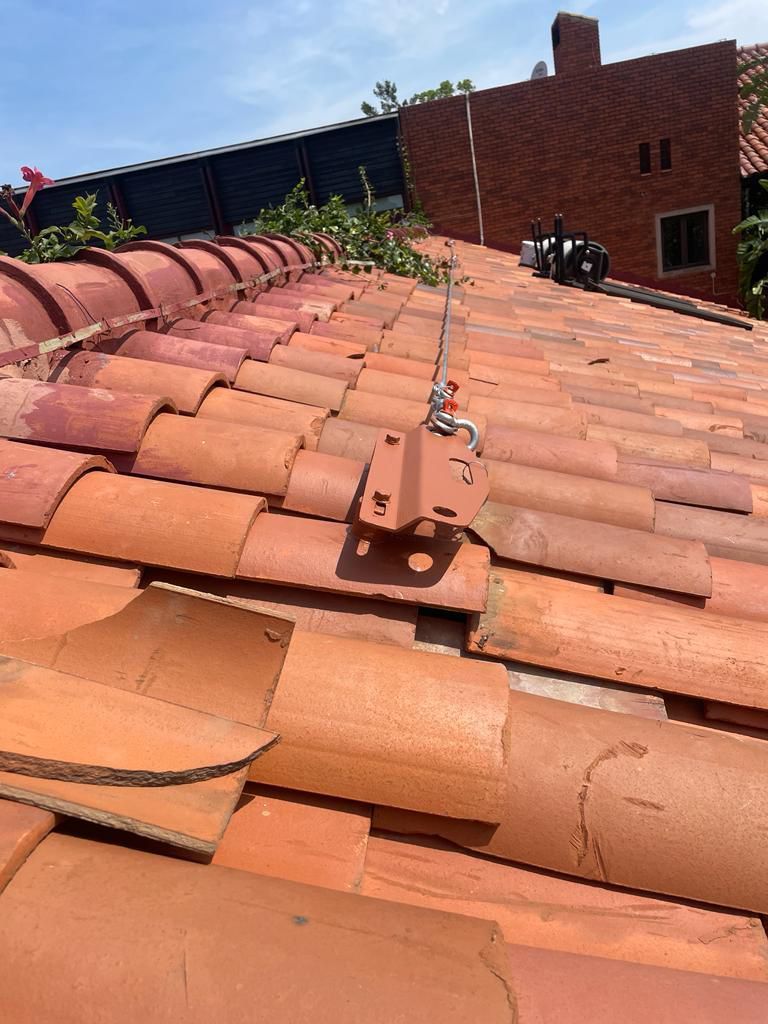
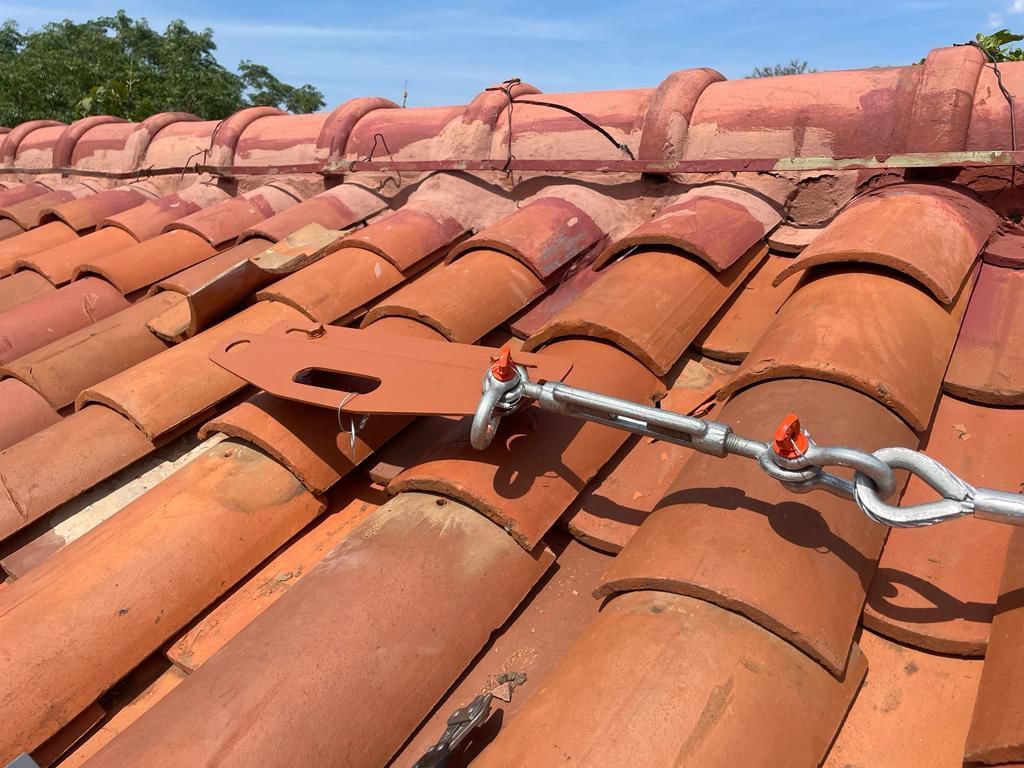
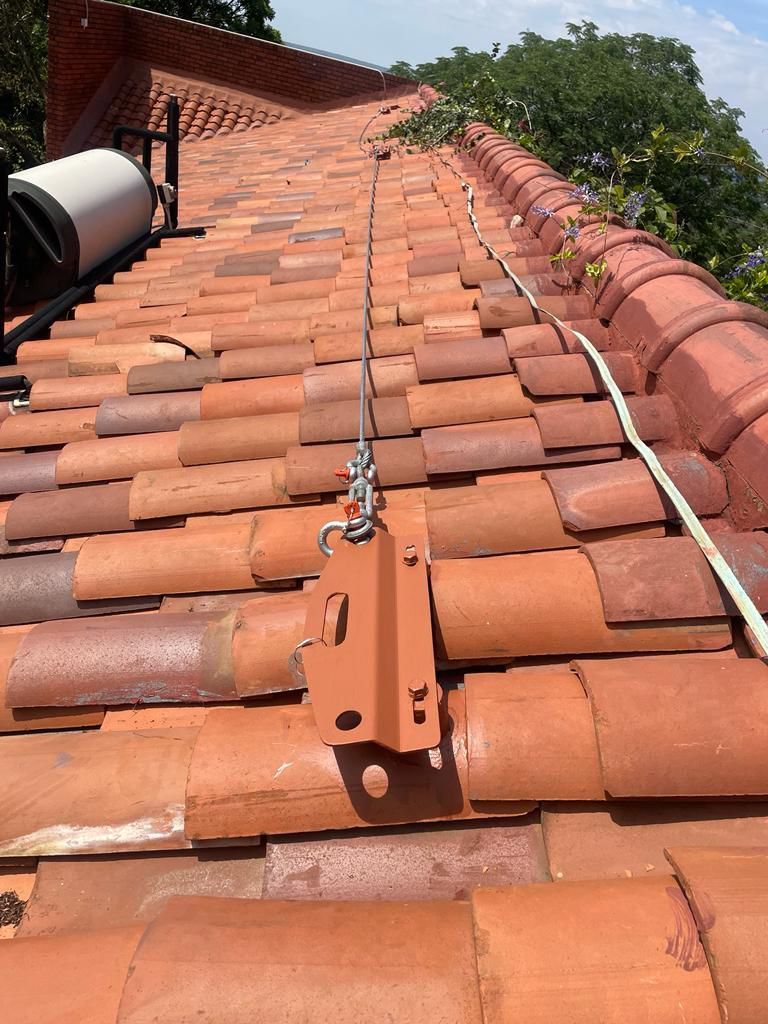
Permanent and temporary roof anchor points designed for secure attachment at height.
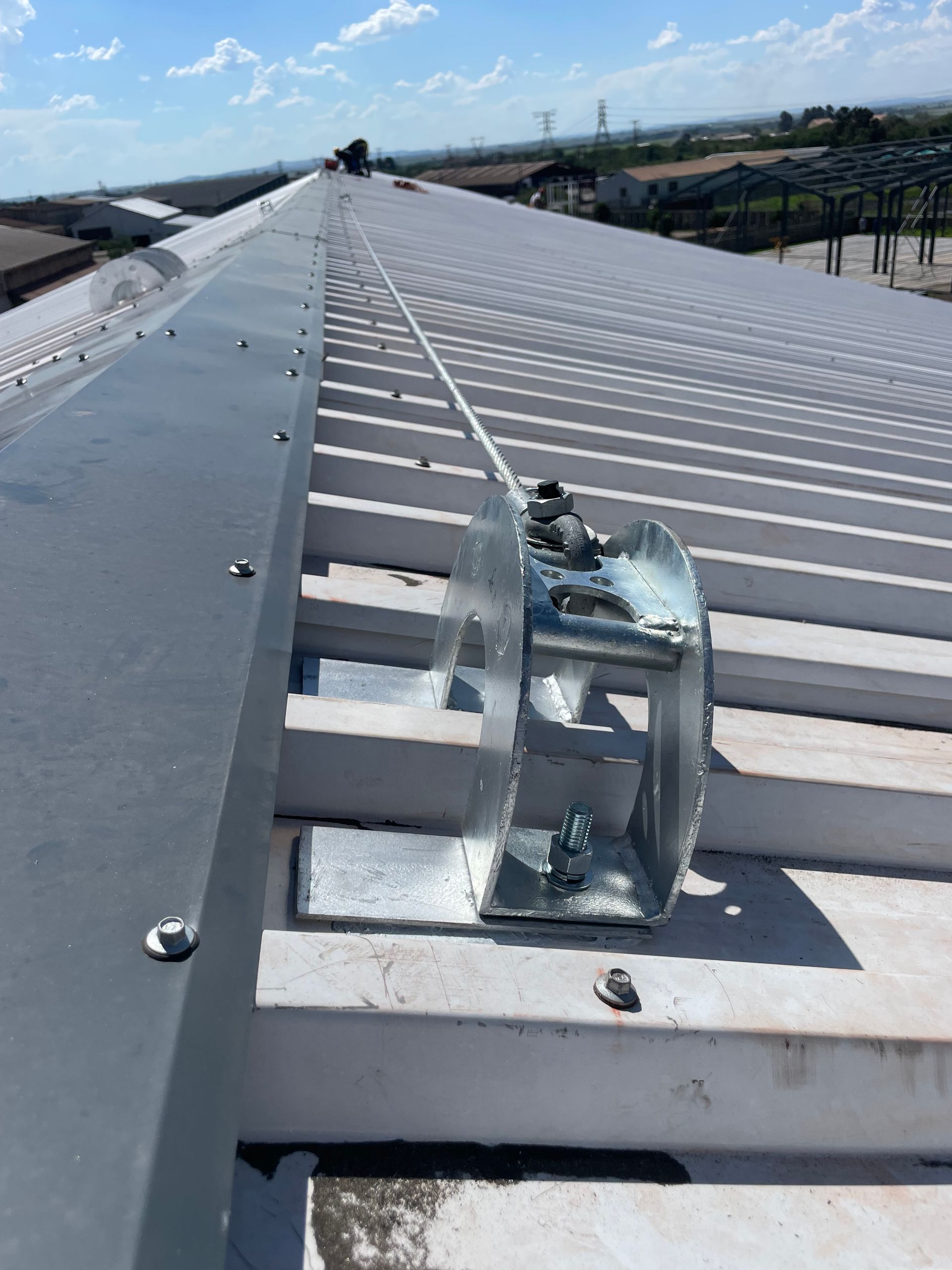
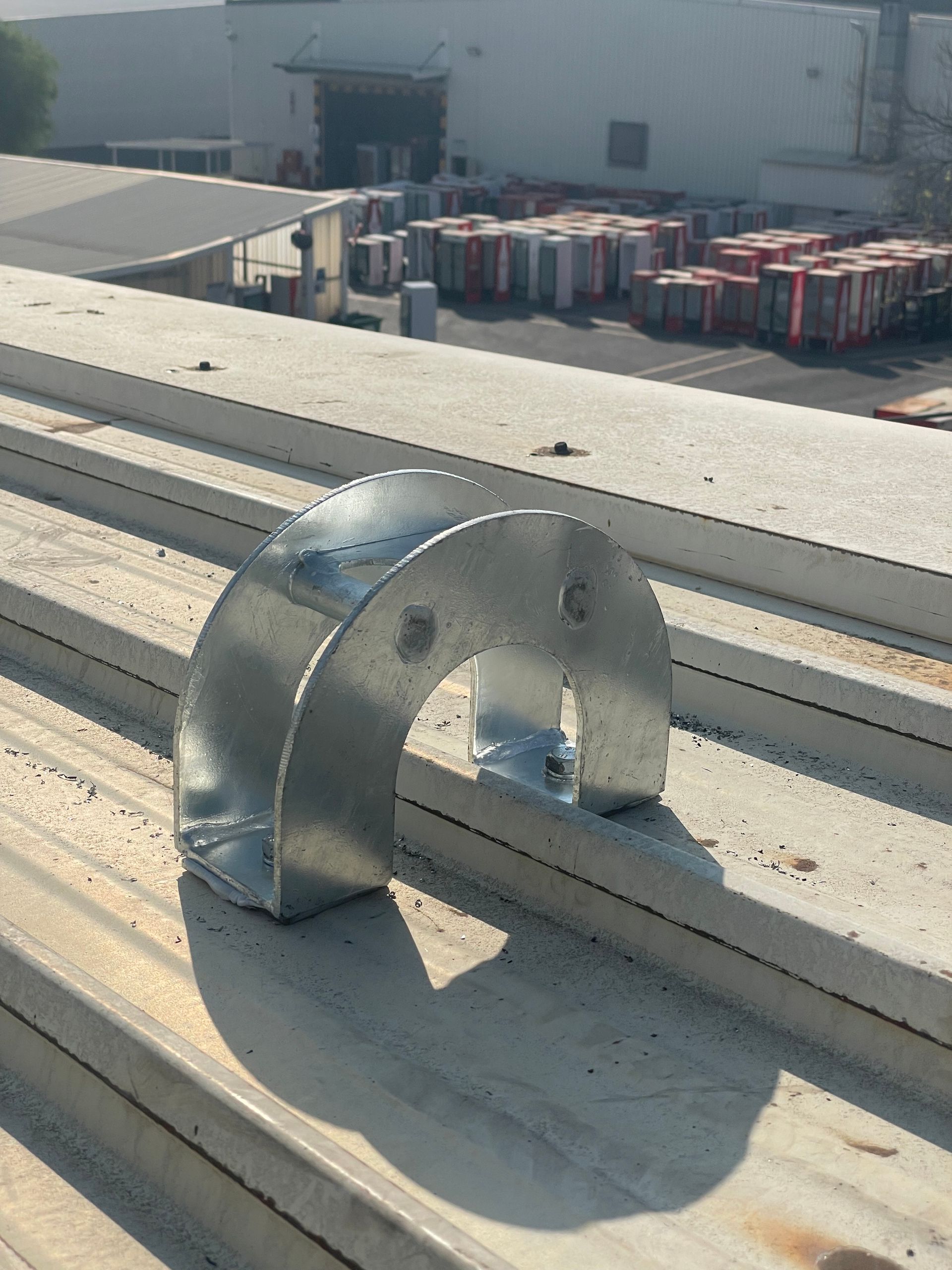
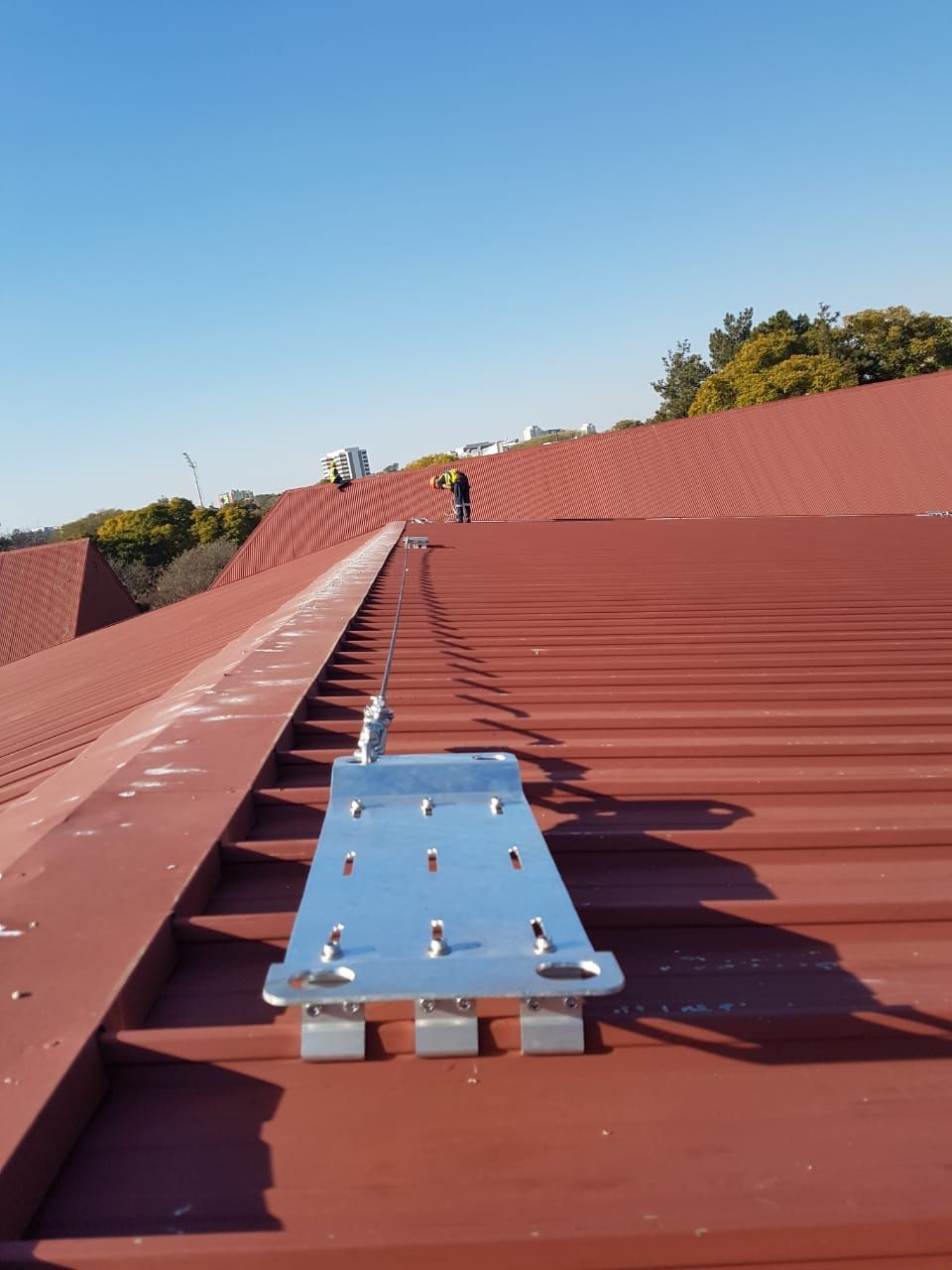
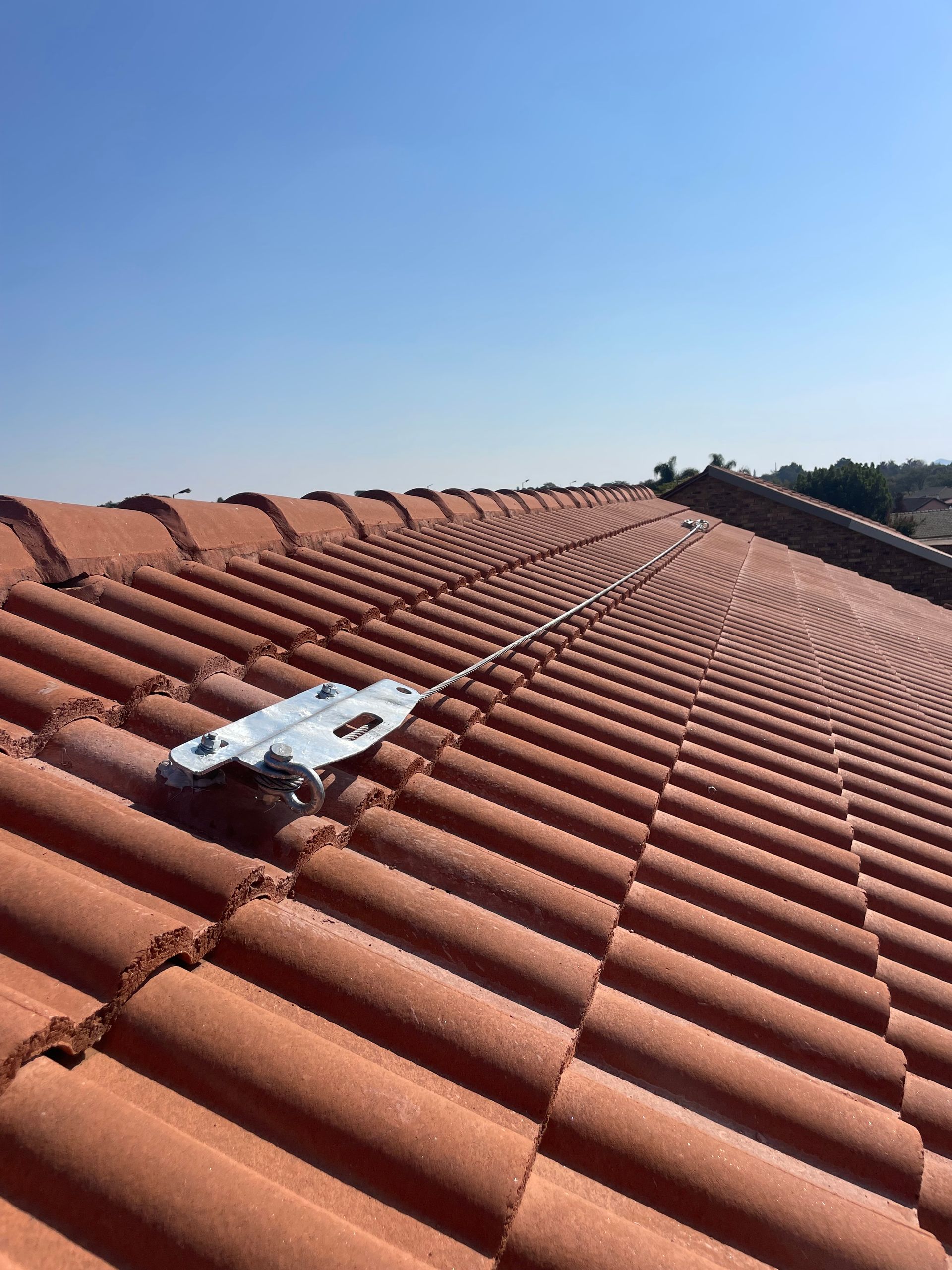
Engineered to meet SANS requirements and suited to metal, concrete, composite, flat, and pitched roofs across South Africa.

What Roof Anchors Are Used For
Roof anchors provide a fixed, load-rated connection point for fall arrest and restraint systems.
They are essential wherever workers operate at height and require a secure point to connect PPE, lifelines, or lanyards.
Common use cases include:
- Roof maintenance and inspections
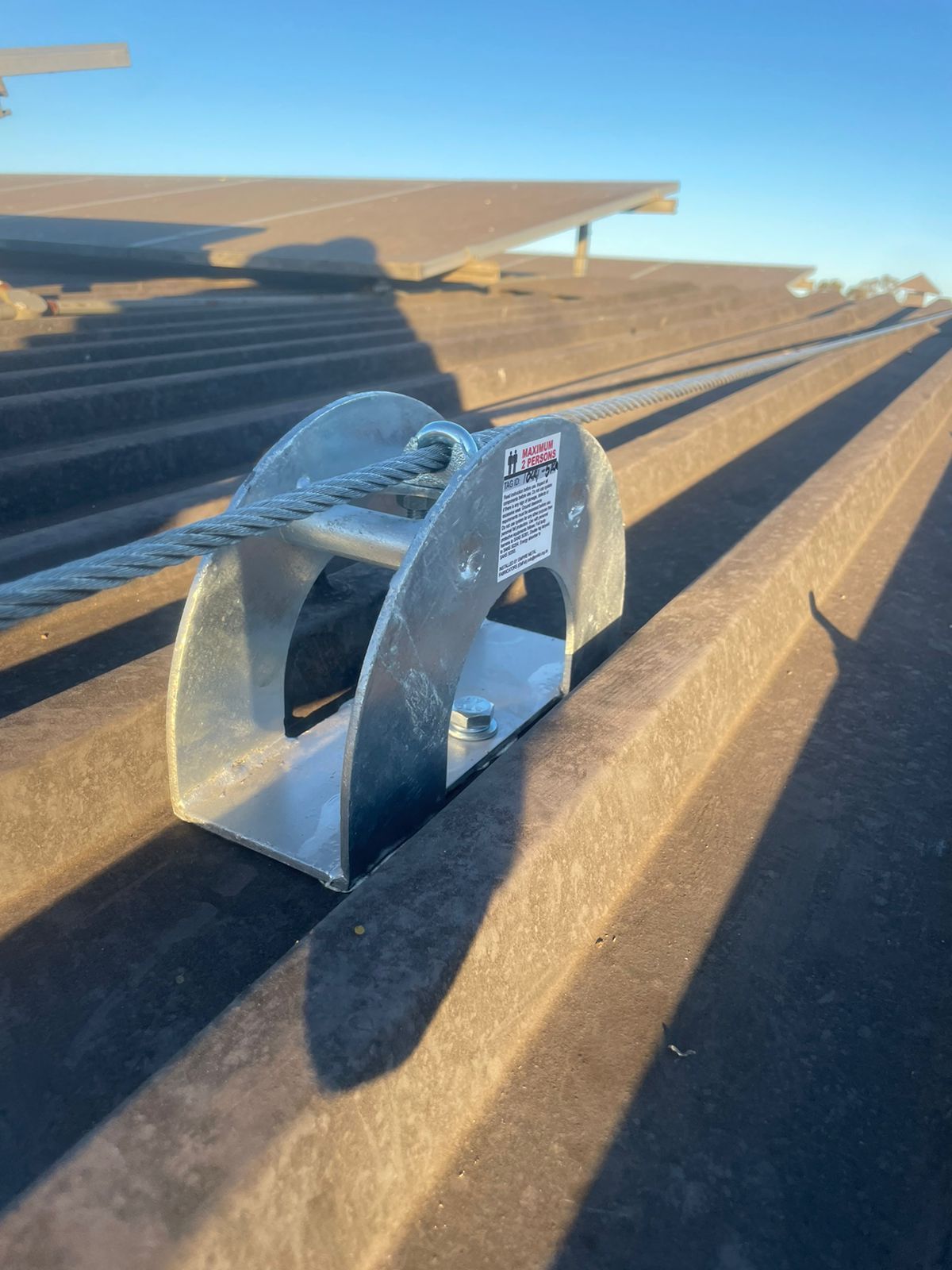
- Solar panel installation and servicing
- Construction and roofing work
- Plant and equipment access on rooftops
This page focuses specifically on
roof anchor systems and how they are designed, installed, and certified.
Anchor Types and Applications
Different roof structures require different anchor designs. Selecting the wrong type can compromise both safety and compliance.
Anchor options include:
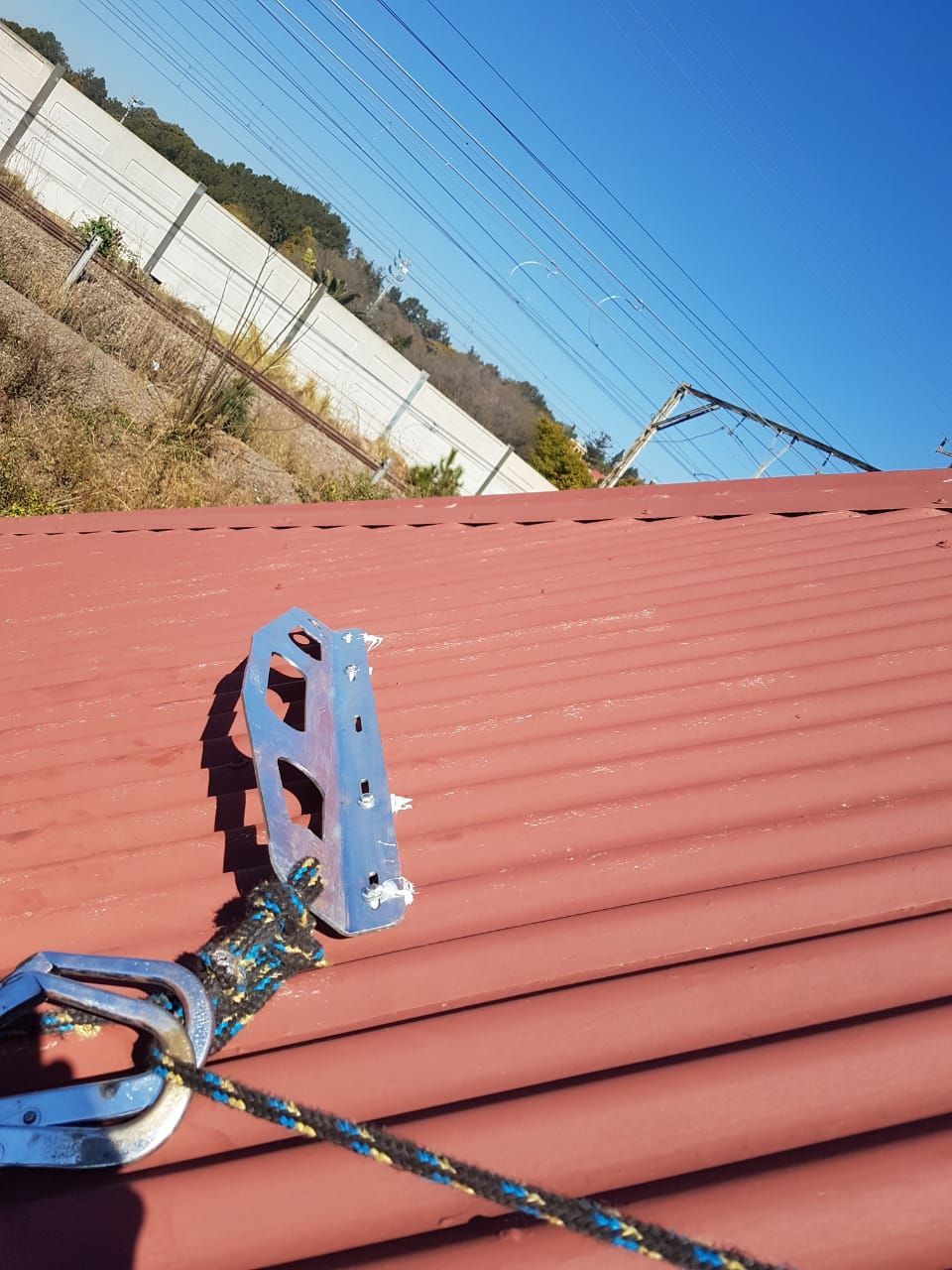
Single-point anchors for restraint or fall arrest
Multi-directional anchors for complex movement zones
Temporary anchors for short-term projects
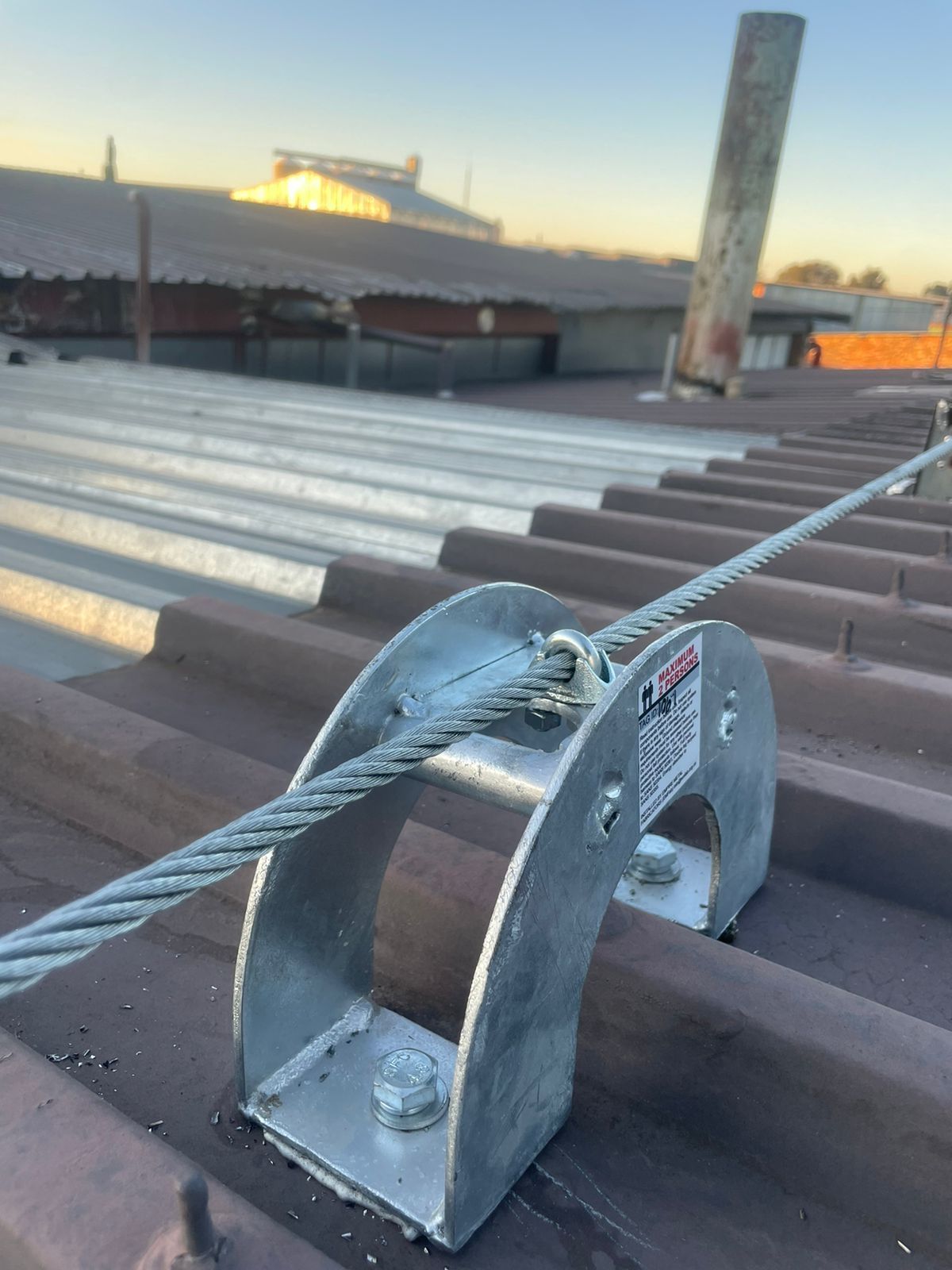
Permanent anchors for ongoing access and maintenance
Each anchor is selected based on roof structure, anticipated loads, and how the anchor will be used.

Structural Assessment and Installation
Roof anchors are only as safe as the structure they’re fixed to. Every EMFab anchor installation includes:
- Assessment of roof construction and fixing points
- Verification of load paths and structural capacity
- Correct fixing methods for the roof type
- Professional installation with minimal roof disturbance
This approach ensures anchors perform correctly in real-world fall scenarios.
Testing, Certification and Compliance
All roof anchors must be tested and documented to remain compliant. EMFab anchors are:
- Pull-tested above 15 kN (approximately 1.5 tonnes)
- Installed in line with applicable SANS standards
- Supplied with certification and test records suitable for audits
Certification confirms the anchor is safe for use and legally defensible.
Retrofitting and Expansion
Many buildings require anchors to be added after construction. Roof anchor systems can be:
- Retrofitted to existing roofs
- Expanded to cover new work zones
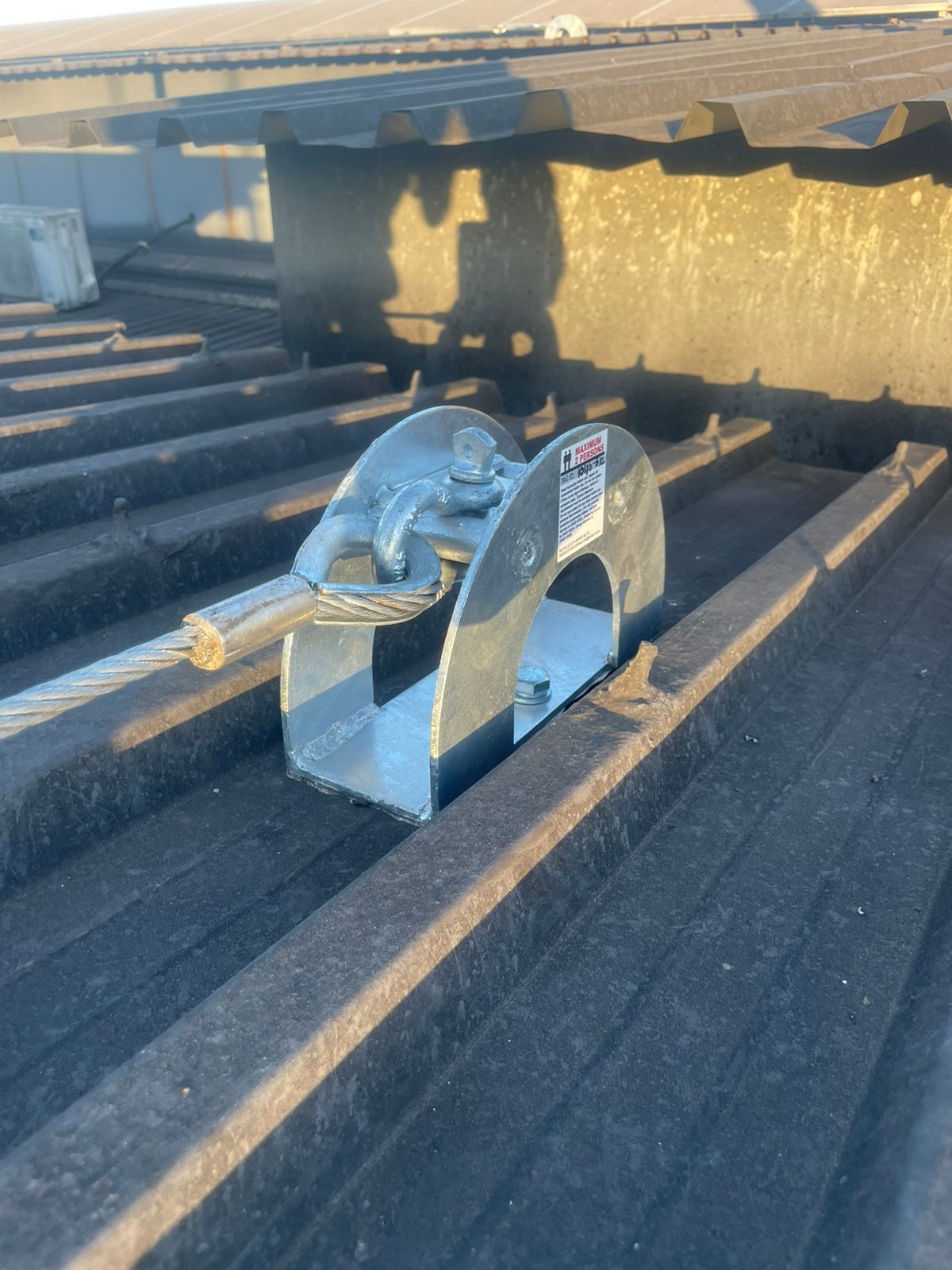
- Integrated with horizontal lifelines and access systems
Modular designs allow anchors to grow with changing site requirements.
Materials and Environmental Considerations
Anchor materials are selected based on exposure and operating conditions. Options include:
- Marine-grade stainless steel for coastal or corrosive environments
- Hot-dip galvanised steel for inland and industrial locations
Correct material selection improves longevity and reduces maintenance costs.
Inspection and Ongoing Support
Anchors require regular inspection to remain compliant and safe. Inspection services include:
- Annual inspections
- Post-weather or post-incident checks
- Updated inspection records and certificates
Inspection schedules can be managed as part of a broader maintenance programme.
Roof Anchors Within a Complete Safety System
Roof anchors are often used in combination with:
- Horizontal and vertical lifelines
- Fixed access ladders and platforms
- Guardrails and walkways
- Personal protective equipment and training
This ensures
continuous protection from access point to work area.
Other Core Products & Solutions
People Sometimes ask...
Are your anchors SANS-certified?
Yes. Every EMFab anchor, lifeline, and ladder system is designed and tested to comply with relevant SANS standards.
Do you fabricate everything locally?
Yes. All components are designed and manufactured in our CNC-equipped facility in South Africa.
Can systems be retrofitted to existing buildings?
Absolutely. We specialise in designing retrofit-compatible anchors, lifelines, and walkways.
Do you offer inspection and recertification services?
Yes. Annual inspections, pull tests, and certification renewals are part of our maintenance program.
What materials do you use?
We use marine-grade stainless steel or hot-dip galvanised steel for long-term durability and corrosion resistance.
How long does installation take?
Small systems can be completed in ± 2 days. Larger or multi-roof projects may take several days depending on complexity.
If your work at height relies on fixed connection points, roof anchors are a critical safety component.
Book a site assessment to confirm anchor type, placement, and compliance - and ensure your system is correctly installed and certified.
Free site assessments limited each month | Dont delay, contact us today | Certified SANS & ISO systems