Why SANS-Compliant Fall Protection Is Essential for Every South African Roof Access Project in 2026

EMFab • February 16, 2026

Share this article

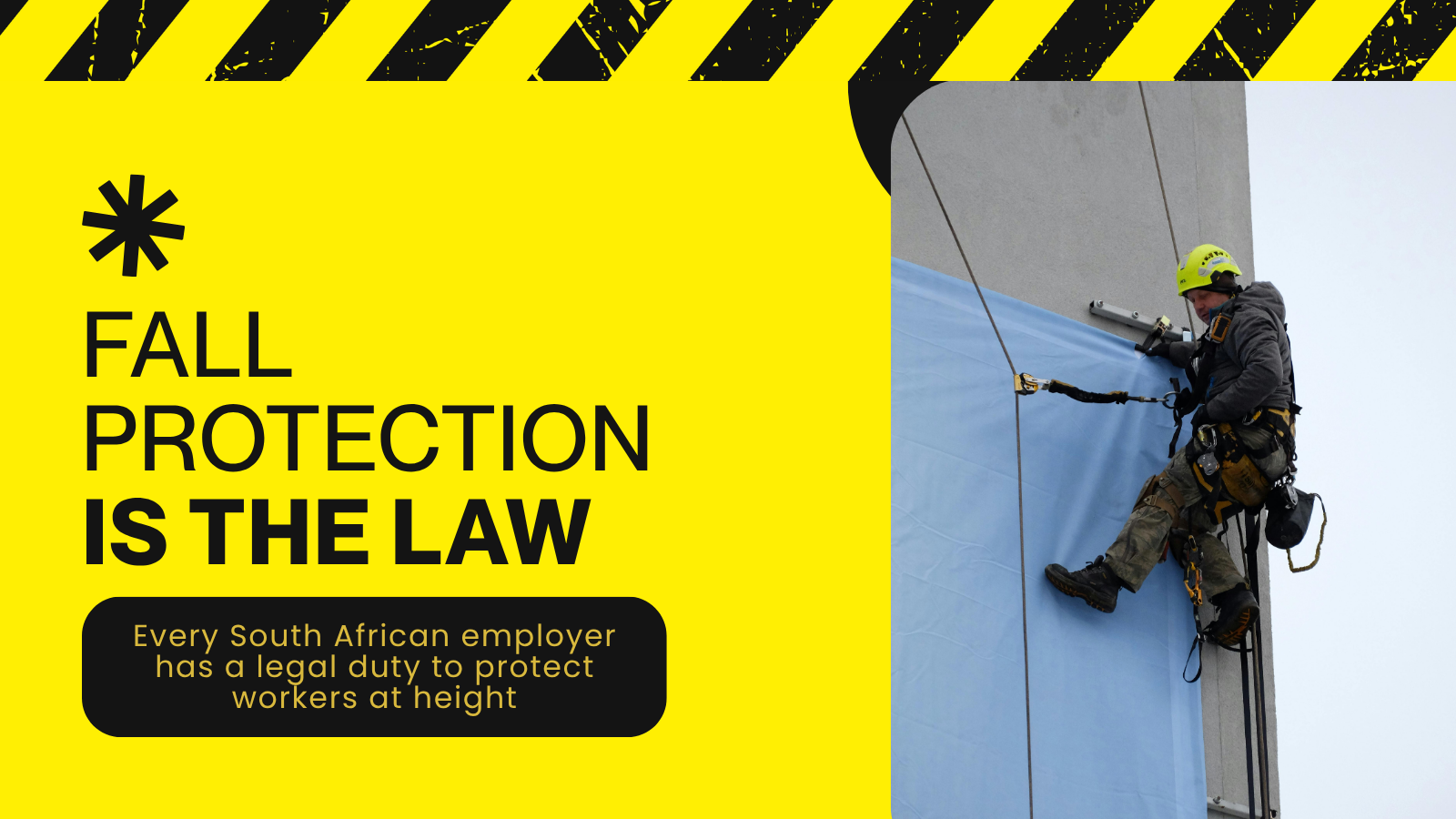
Work at height is one of the leading causes of workplace injury and fatality in the construction and industrial sectors. With South African safety regulations becoming more rigorous, businesses that install or maintain rooftop systems must prioritise SANS-compliant fall protection solutions,  and here’s why this matters more than ever in 2026.

What Is Fall Protection & Why It Matters

Fall protection systems prevent workers from falling or reduce the impact of a fall. These solutions include roof anchors, fixed access ladders, lifelines, guardrails and compliant walkways that are engineered to meet strict South African National Standards (SANS) requirements. 


Without proper fall protection:


✔ Workers risk serious injury or death
✔ Employers may face non-compliance penalties
✔ Projects may be delayed due to failed safety audits

Understanding SANS Standards for Height Safety

SANS standards like SANS 50795 for anchor points and SANS 50812 for fall arrest systems define what “safe” means in the South African context. These standards ensure systems are tested, verified and documented, not just installed. 


Key benefits of compliance include:


🔹 Audit-ready documentation for safety inspections
🔹 Higher confidence for contractors and site managers
🔹 Reduced liability and insurer-friendly records

The Role of Engineered Systems

Unlike generic safety products, engineered fall-protection systems are designed specifically for each rooftop or industrial scenario, accounting for roof type, elevation, material and load capacities. This custom engineering is critical to performance and legal compliance.


Common engineered systems include:


• Roof anchors suitable for pitched or flat roofs
• Horizontal lifelines for moving safely across roof edges
• Vertical lifelines and fixed ladders for safe ascent and descent

Inspection & Recertification: A Lifelong Safety Strategy

Installing height safety systems is not a one-and-done exercise. Regular inspection, load testing and recertification are required to ensure ongoing SANS compliance, especially after severe weather, structural changes or a fall event. 

How Compliance Improves Business Outcomes

Compliant fall protection systems do more than protect workers, they protect your business’s bottom line:


✔ Reduced downtime due to safety issues
✔ Faster approval and handover of construction projects
✔ Stronger reputation among clients and partners

Conclusion

In 2026, South Africa’s emphasis on workplace safety and regulatory compliance continues to grow.


Investing in fully engineered, SANS-certified fall protection and height safety systems makes sense, not just legally, but economically.


If your project requires safe roof access or fall protection, start with a comprehensive site assessment from trusted safety experts. Ensuring compliance today protects your workforce and your business tomorrow.

Recent Posts

By EMFab March 30, 2026
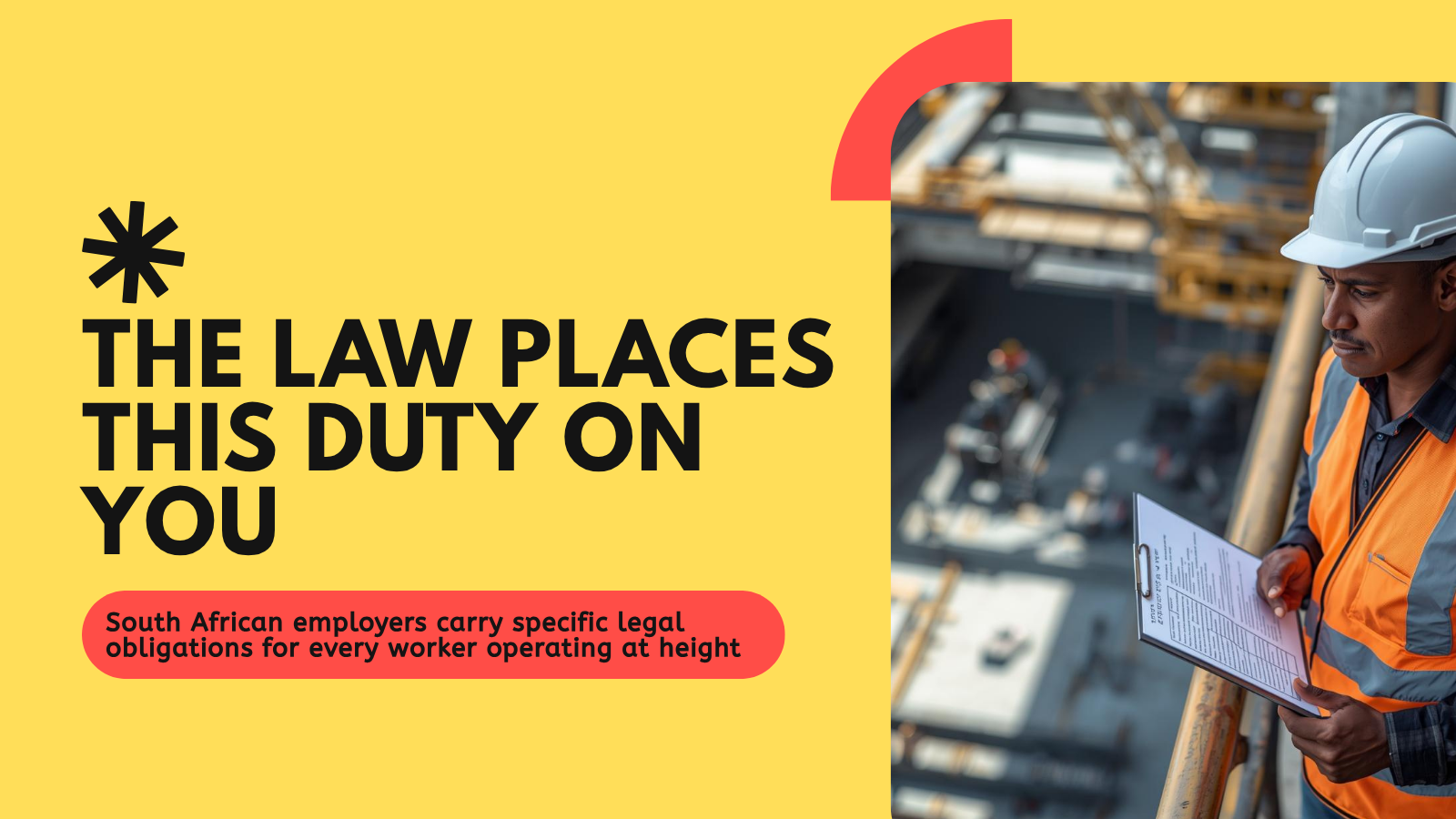
Fall protection in South Africa is a legal requirement. Learn what it means, what the law says, and what your facility needs to have in place to stay compliant.
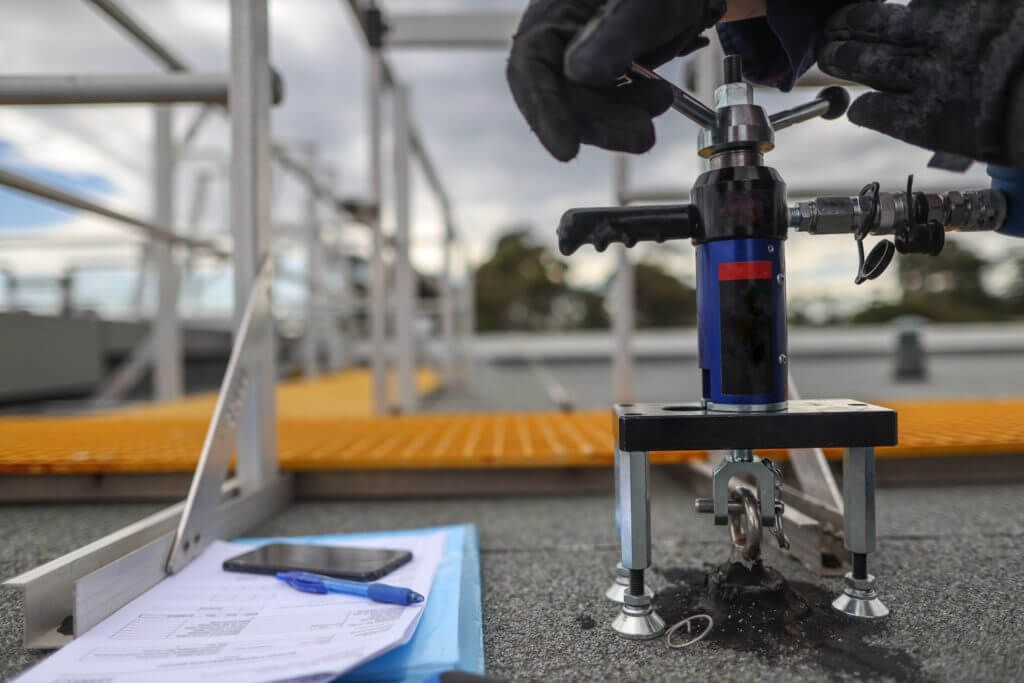
Gloved hands operate a testing device on a rooftop. A clipboard and scaffold are in the background.
By EMFab January 23, 2026
Regular inspection and testing keep fall protection systems compliant and safe. Learn inspection schedules, pull testing, and documentation requirements.
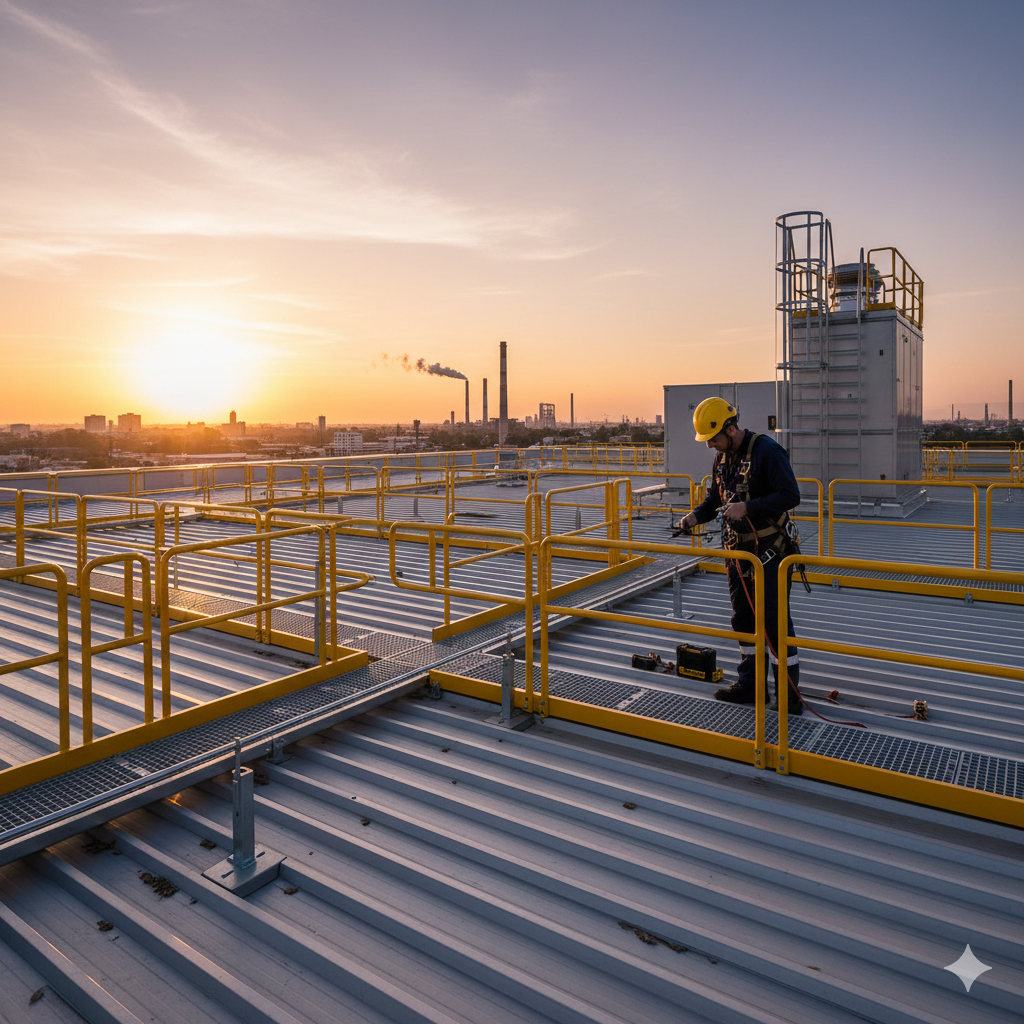
Rooftop worker with safety gear by yellow railing, at sunset. Industrial setting with chimneys.
By EMFab January 23, 2026
Not all height safety systems are the same. Learn how to choose between anchors, lifelines, ladders, and guardrails for full SANS compliance.
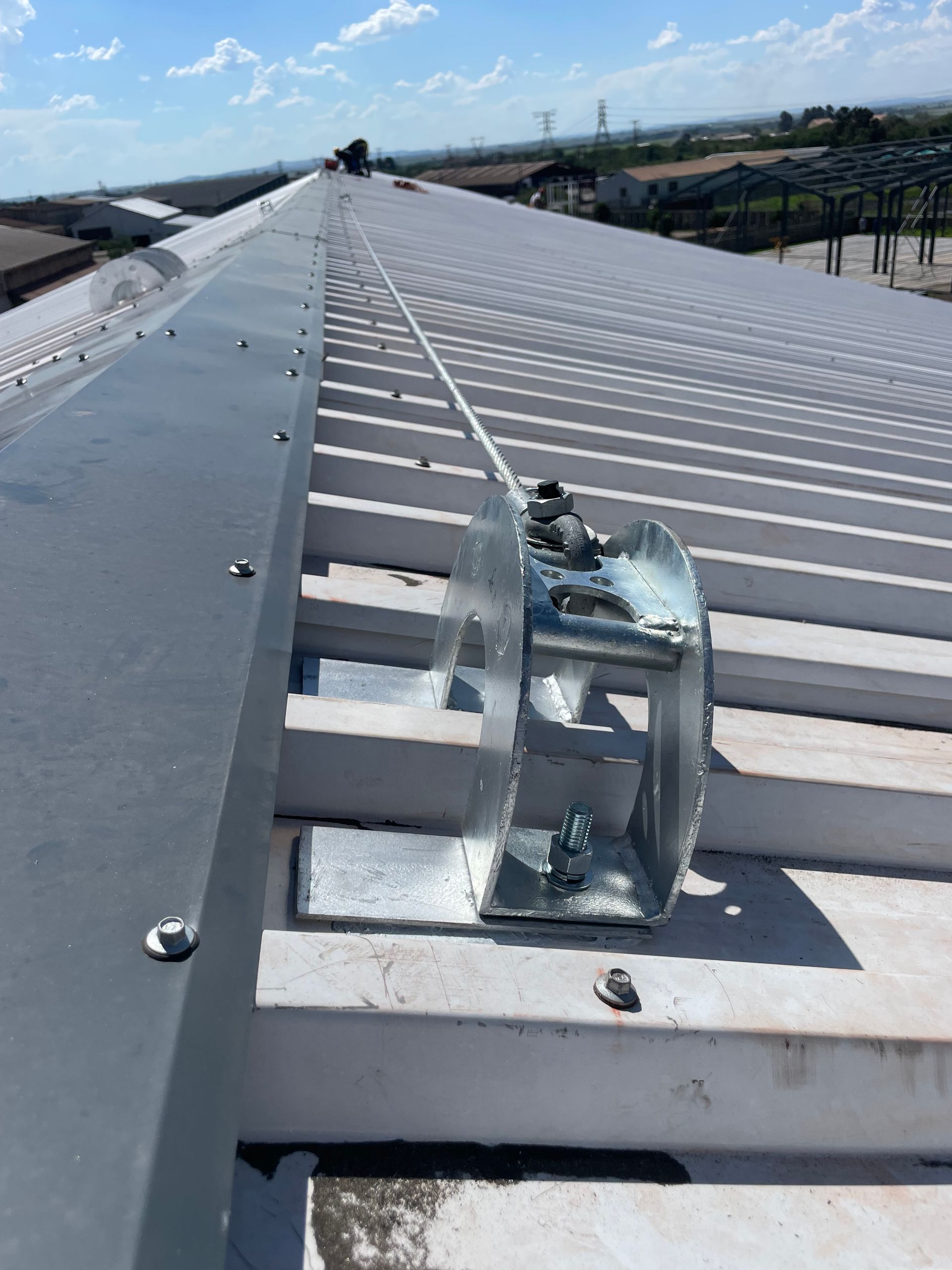
Emfab Roof Anchor
By EMFab January 23, 2026
Understand roof anchor compliance in South Africa. Learn which SANS standards apply, how anchors are tested, and how to stay audit-ready on every site.